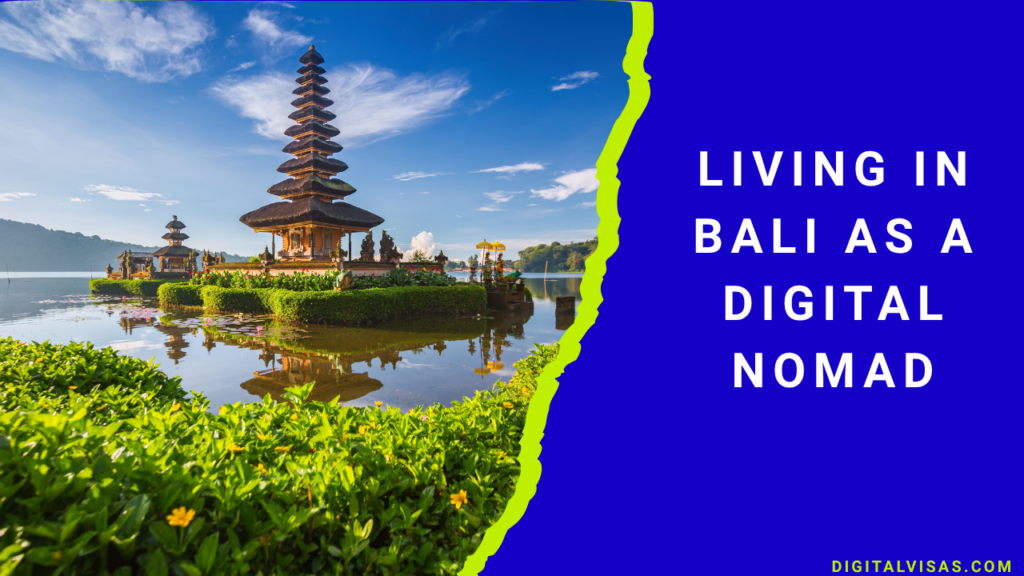
Living in Bali as a Digital Nomad: Complete 2026 Guide
Imagine waking up to the sound of tropical birds, sipping fresh coconut water at your villa, then heading to a stylish coworking space surrounded by a global community of remote workers, all for a fraction of what you’d pay in London, New York, or Mumbai. That is everyday life for thousands of people living in Bali as digital nomads. Whether you’re a seasoned remote worker or planning your very first location-independent move, Bali offers an unmatched blend of affordability, lifestyle, and opportunity.
This guide is for digital nomads, remote workers, and freelancers seriously considering making Bali their base, whether for three months or three years. Bali has emerged as one of the world’s most popular destinations for location-independent professionals, and for good reason. It offers low costs, a warm climate, a thriving expat community, and a growing infrastructure built specifically around remote work.
In this complete 2026 guide, you will learn everything you need to know about the Bali digital nomad lifestyle: the best neighborhoods to live in, realistic monthly costs, visa requirements, internet speeds, accommodation options, cultural norms, and a step-by-step plan to make your move smooth and successful. Whether you are from India, the USA, the UK, or anywhere else in the world, this Bali remote work guide will give you the practical knowledge to move with confidence and avoid the common mistakes most newcomers make.
Why Bali is a Top Destination for Digital Nomads
Bali has consistently ranked among the top three digital nomad destinations globally, and it is easy to see why. The combination of tropical beauty, low cost of living, excellent food, and a large English-speaking expat population creates an environment where remote workers genuinely thrive. The island has evolved far beyond its reputation as a tourist hotspot; it is now a fully functional ecosystem for the location-independent professional.
Affordability is perhaps the single biggest draw. A comfortable lifestyle in Bali costs between $1,000 and $2,500 per month, depending on your choices, far less than most Western cities. The community factor is equally important. Areas like Canggu are packed with entrepreneurs, developers, designers, and creatives from every corner of the world, making networking and collaboration almost effortless. Add to that the reliable availability of coworking spaces, fast fiber internet in urban areas, and Indonesia’s new digital nomad visa, and you have a destination that is not just tourist-friendly but genuinely built for remote work. The Bali digital nomad lifestyle is not a cliché for many; it is a long-term, sustainable way to live and work.
Pros and Cons of Living in Bali
Before you book your flight, it is important to get a balanced, honest picture of what living in Bali as a digital nomad actually looks like day to day. Like any destination, Bali has genuine advantages that make it world-class for remote workers, as well as real challenges you need to prepare for. Going in with clear expectations will set you up for a much more enjoyable experience. Here is a practical breakdown of the major pros and cons, based on what long-term residents consistently report.
Pros
The advantages of living in Bali as a digital nomad are significant and wide-ranging. The cost of living is dramatically lower than in most Western countries, meaning your remote income stretches much further. The food scene is extraordinary, from cheap local warungs serving rice dishes for under $2 to world-class vegan cafes and international restaurants. The community of expats and nomads is enormous, especially in Canggu, meaning you are never short of like-minded people to connect with. The weather is warm year-round, with tropical sunshine for most of the year. Coworking spaces are plentiful, modern, and well-priced. Yoga, surfing, hiking, and spiritual retreats are woven into daily life. Wellness culture is strong, and healthy living is genuinely accessible and affordable. Simply put, the quality of life for the money spent is among the highest in the world.
Cons
The challenges of Bali are real and should not be downplayed. Traffic in areas like Canggu and Seminyak can be genuinely terrible, especially during peak hours, and riding a scooter in heavy rain carries risk. The Internet in rural and villa areas can be inconsistent. Fiber is excellent in nomad hubs, but patchy elsewhere. The tourist visa situation has historically been complex, though the new digital nomad visa improves this considerably. The cost of living has risen sharply in recent years, particularly in Canggu, where rents now approach those of some mid-tier European cities. Cultural differences around local customs and religious ceremonies require ongoing awareness. Petty theft exists, and scams targeting tourists are common. Healthcare is limited by Western standards, making good travel insurance non-negotiable. Humidity and the rainy season (November to March) can also require adjustment.
Best Areas to Live in Bali
Choosing the right neighborhood in Bali is one of the most important decisions you will make as a nomad. Each area has a completely different personality, cost level, community type, and work environment. Bali is not a small island; getting from Canggu to Ubud on a bad traffic day can take well over an hour, so where you choose to base yourself will define your entire experience. The four most popular areas for digital nomads each have clear strengths. Study them carefully and match your choice to your work style, social preferences, and budget before committing to an accommodation.
Canggu
Canggu is the undisputed digital nomad capital of Bali. This coastal village has transformed over the past decade into a dense hub of coworking spaces, specialty coffee shops, yoga studios, surf schools, and international restaurants. It is where the majority of nomads from the USA, UK, Australia, and India end up, and the energy is fast-paced, social, and entrepreneurial. You will find fiber internet, world-class coworking spaces like Dojo and Outpost, and a café-per-block density that rivals Williamsburg or Shoreditch. Monthly villa rentals in Canggu typically range from $600 to $1,800, depending on size and location. The main downside is traffic; the narrow streets are frequently gridlocked. Despite this, Canggu remains the best all-around choice for remote workers who want community, convenience, and an active lifestyle in one package.
Ubud
Ubud offers a completely different version of the Bali digital nomad lifestyle, quieter, greener, and more spiritually oriented. Nestled in the rice-paddy highlands of central Bali, Ubud attracts writers, designers, artists, and anyone who wants to focus deeply on their work without the noise of the coast. The jungle backdrop, cooler temperatures, and abundant wellness retreats make it ideal for those who prioritize deep work. Coworking options like Hubud (one of Bali’s oldest) and a growing number of café workspaces provide solid infrastructure. Internet quality has improved significantly. Monthly villa or room rentals tend to range from $400 to $1,200, making them more affordable than in Canggu. The trade-off is that Ubud’s pace is slow and nightlife is minimal. If you want a serene base to build a business or creative project without distractions, Ubud is your best option.
Seminyak
Seminyak is Bali’s upscale lifestyle district, think chic boutique hotels, rooftop cocktail bars, designer beach clubs, and fine-dining restaurants. It appeals to digital nomads who earn well and want to live comfortably without sacrificing access to quality amenities. Accommodation in Seminyak skews toward the higher end, with villa rentals typically starting from $900 to $2,500 per month. Coworking spaces are fewer than in Canggu, though many nomads work productively from the neighborhood’s numerous stylish cafés with reliable WiFi. Seminyak is directly adjacent to Kuta and Legian and offers easy access to the airport. The social scene leans toward parties, beach clubs, and restaurant dining, making it more suited to nomads who maintain a work-hard, play-hard lifestyle. It lacks the tight-knit nomad community of Canggu but compensates with polish, convenience, and excellent international dining.
Uluwatu
Uluwatu sits on Bali’s dramatic southern Bukit Peninsula, perched above cliff-top ocean views and world-famous surf breaks. It is the choice of nomads who prioritize stunning natural surroundings, a laid-back pace, and a smaller, more intentional community. The atmosphere is raw and less commercial than Canggu or Seminyak, with fewer traffic jams, more open space, and a stronger surf culture. Accommodation ranges widely from $400 budget rooms to $2,000 luxury cliff-top villas. Internet infrastructure is improving, with several coworking-capable cafés and newer fiber connections reaching the area. Uluwatu is best for nomads who surf, value privacy, and are comfortable with a longer scooter ride to access the fuller amenities of South Bali. It is an excellent choice for focused work periods paired with world-class surfing and some of the most spectacular sunsets in Southeast Asia.
Cost of Living in Bali
One of the most common questions from people planning their move is: how much does it actually cost to live in Bali? The honest answer is that it depends almost entirely on the lifestyle you choose. Bali can be extremely affordable or surprisingly expensive, depending on your accommodation choices, eating habits, and lifestyle preferences. A budget-conscious nomad can live well on $1,000 to $1,200 per month, while someone who prefers private villas, daily beach clubs, and restaurant dining could easily spend $3,000 or more. What is consistent is that for the money spent, the quality of life available in Bali significantly exceeds what you would get in London, New York, or Sydney at equivalent budget levels. Here is a practical, realistic cost breakdown.
Monthly Budget
For a mid-range digital nomad living comfortably in Bali, a realistic monthly budget looks like this. Accommodation in a private one-bedroom villa or shared house: $500 to $1,000. Food combining local warungs and occasional restaurant meals: $200-$400. Coworking space membership: $80-$200. Scooter rental: $60-$100. Local SIM card with data: $15-$30. Health insurance: $50-$150. Entertainment, yoga, and activities: $100-$200. Miscellaneous expenses: $100. Total estimated monthly spend for a mid-range nomad: $1,100 to $2,200. This is a sustainable range for most remote workers earning in USD, GBP, or EUR, and it affords a genuinely comfortable lifestyle, not just survivable.
Major Expenses Breakdown
Understanding where your money goes helps you plan effectively. Accommodation is typically the single largest expense, so choosing carefully between a private villa, a shared house, or a co-living space will determine your budget ceiling. Food is remarkably affordable if you eat like a local; a full meal at a warung costs $1.50 to $3, while Western-style café meals range from $5 to $15. Transport via scooter is essential and cheap; Grab (Southeast Asia’s Uber) is available for day trips. A Dojo Bali or Outpost coworking membership runs $80 to $180 per month and includes fast WiFi, community events, and meeting rooms. Healthcare at private hospitals like BIMC or Siloam is of good quality but requires an insurance budget of $80 to $150 per month for solid coverage. Visa costs vary by type. See the visa section below for a full breakdown.
Internet & Coworking in Bali
Reliable internet is the lifeline of every digital nomad, and Bali’s infrastructure has improved dramatically over the past five years. In established nomad hubs like Canggu, Seminyak, and central Ubud, fiber-optic internet is widely available, and speeds of 50 to 150 Mbps are standard in most quality coworking spaces and well-equipped villas. If you are renting a villa, always confirm whether fiber is installed. Older villas in quieter areas sometimes rely on slower ADSL or mobile hotspot connections.
For mobile backup, Telkomsel and XL Axiata are the most reliable networks in Indonesia. A local SIM with 20–30 GB of 4G data costs roughly 100,000-150,000 IDR (under $10) per month, and an affordable insurance policy for when café WiFi lets you down. Bali’s coworking scene is world-class. Dojo Bali in Canggu is the most famous, offering a full-day pass for around $10 or monthly memberships from $150. Outpost has multiple locations, including Canggu and Ubud, with strong WiFi, podcast studios, and regular community events. Hubud in Ubud is beloved for its bamboo architecture and focused atmosphere. For video calls, Zoom-compatible upload speeds are available at all quality coworking spaces. If you work with large files or need VPN reliability, a coworking membership is strongly recommended over relying solely on café connections.
Visa Options for Digital Nomads in Bali
Visa planning is one of the most critical steps for any long-term stay in Bali, and the rules have evolved significantly in recent years. For much of Bali’s nomad history, visitors relied on tourist visas, doing “visa runs” to neighboring countries to reset their 30- or 60-day allowances. Indonesia has since introduced formal options better suited to remote workers, though understanding the distinctions and limitations of each type is essential before you travel.
Here are the main options currently available to digital nomads in 2026. The Visa-Free Entry applies to citizens of many countries and allows a 30-day stay, extendable once for another 30 days, giving a maximum of 60 days. The Visa on Arrival (VoA) is available to most nationalities at Ngurah Rai International Airport, costs approximately $35, and grants 30 days extendable up to 60 days. The B211A Social/Cultural Visa can be sponsored through an agent, lasts 60 days, and can be extended multiple times up to 180 days in-country.
The Digital Nomad Visa (Second Home Visa or E33G), introduced in 2022 and refined since, allows a stay of up to 5 years and permits remote work for foreign employers with zero Indonesian income tax on foreign-sourced income. It requires proof of funds and employment. For most nomads staying 1–6 months, the VoA with extension or the B211A offers the best flexibility. For long-term residents, the Second Home Visa is the most powerful option. Always consult a registered Indonesian visa agent for the most current processing requirements.
Finding Accommodation in Bali
Securing the right accommodation is one of the most important practical tasks before your arrival, and the rental market in Bali operates quite differently from Western countries. The majority of quality long-term rentals are negotiated directly with landlords or through local real estate agents, rather than through major international platforms. That said, platforms like Airbnb and Booking.com are excellent for your first 2–4 weeks while you scout the area in person. Prices drop significantly when you rent monthly versus nightly, so booking a short initial stay and then signing a direct monthly contract is the standard and most cost-effective approach.
For longer stays, Facebook Groups such as “Canggu Community” and “Bali Expats” are goldmines for villa listings with direct landlord contact often 30 to 50% cheaper than Airbnb for equivalent properties. Co-living spaces like Outpost Canggu or Dojo Living offer furnished rooms with coworking included, starting from around $800 per month, an excellent, hassle-free option for your first month. Private one-bedroom villas with pools can be rented from $600 to $1,500 per month in Canggu. In Ubud, similar villas often start from $400. Always inspect in person before signing, check that the internet speed meets your work requirements, and ensure there is a backup generator for power cuts. Avoid paying more than one month upfront until you are sure about the property.
Safety & Lifestyle in Bali
Bali is generally a safe destination for digital nomads, and the vast majority of long-term residents report feeling secure in their daily lives. Violent crime against foreigners is rare. However, petty theft, particularly of phones and bags from scooter baskets or beach areas, does occur and requires the same situational awareness you would apply anywhere. Riding a scooter poses the greatest daily risk; Bali’s roads are chaotic, and accidents involving foreigners happen regularly, so wearing a helmet at all times, renting a reliable bike, and avoiding night or heavy rain rides are essential habits. Secure comprehensive travel insurance that covers scooter accidents, medical evacuation, and hospitalization before you arrive. This is non-negotiable.
Healthcare in Bali has improved substantially. BIMC Hospital in Kuta and Siloam Hospitals in Denpasar handle most medical needs for expats competently, and BIMC specifically has experience treating tourists and nomads. For serious conditions, Singaporean hospitals remain the gold standard and are reachable in under two hours by flight, another reason solid medical insurance matters. The overall lifestyle in Bali is deeply oriented toward wellness: world-class yoga studios, organic food, surf coaching, breathwork retreats, and meditation centers are woven into the fabric of everyday life, particularly in Canggu and Ubud. This wellness ecosystem is a major draw for health-conscious nomads.
Daily Life & Culture in Bali
Understanding and respecting Balinese culture is not optional; it is essential to living well on the island. Bali is a predominantly Hindu island in the world’s largest Muslim-majority country, and this cultural uniqueness shapes everything from local customs to public behavior. Religious ceremonies, processions, and offerings (called canang sari) are part of daily Balinese life, and you will encounter them constantly in streets, shops, and restaurants. Dressing modestly when visiting temples is mandatory; a sarong is required, and making a small donation is customary and appreciated.
Daily life for nomads in Bali typically starts early. Cafés and coworking spaces open by 8 AM, and many nomads take advantage of the cooler morning hours to get their focused work done by early afternoon. From there, the afternoon opens up for surfing, yoga, exploring rice paddies on a scooter, or poolside relaxation. The food culture is extraordinary. Bali punches far above its weight as a culinary destination, with incredible Indonesian staples like nasi goreng, satay, and fresh seafood, alongside some of the best vegan, raw-food, and health-café scenes in Asia. Evenings in Canggu center around beach clubs, sunset bars, and casual socializing with the expat community. Learning a few basic Bahasa Indonesia phrases terima kasih (thank you), tolong (please), berapa (how much) is a gesture that local people genuinely appreciate and that opens doors.
Step-by-Step Guide to Moving to Bali
Moving to Bali does not need to be stressful or chaotic if you approach it methodically. The biggest mistakes nomads make are rushing the process, underestimating costs, or failing to sort out their visa situation in advance. This step-by-step framework gives you a clear action plan to follow from the initial decision to a fully settled arrival. Each step is designed to be actionable and sequential; work through them in order, and your relocation will be far smoother than the average newcomer’s experience.
Step 1: Choose Your Location
Before booking anything, take time to honestly assess your work style, social preferences, and budget. Are you someone who thrives on community and constant stimulation? Canggu is your answer. Do you need quiet and focus for deep creative or technical work? Choose Ubud. Do you have a higher income and want an upscale lifestyle? Seminyak or Uluwatu might suit you better. Research each area using Instagram, YouTube vlogs, and nomad forums like r/digitalnomad. If possible, plan a scouting trip of 2–4 weeks across multiple areas before committing to a longer rental. The neighborhood you choose will define your entire Bali experience, so this decision deserves real thought rather than defaulting to wherever the Instagram influencers go.
Step 2: Arrange Your Visa
Once you know your intended length of stay, arrange the appropriate visa before or upon arrival. For stays of up to 60 days, the Visa on Arrival is the simplest option obtainable at Ngurah Rai airport for approximately $35, extendable once at a local immigration office. For stays of 2–6 months, engage a reputable Bali-based visa agent to sponsor a B211A Social/Cultural Visa. Budget $150 to $300 for agent fees plus government charges. For long-term residents planning to stay 1 year or more, investigate the Second Home Visa with a licensed immigration attorney. Never overstay your visa; fines are steep, and repeated violations result in deportation bans. Budget at least two weeks to process anything beyond the VoA.
Step 3: Book Accommodation
Use Airbnb or Booking.com to secure your first 2–4 weeks of accommodation, ideally within walking distance of your chosen area’s main nomad hub. This gives you time to explore the neighborhood properly on foot and scooter before committing to a longer rental. After arrival, join the relevant Facebook Groups for your area and start visiting villas in person. When you find the right place, negotiate directly with the landlord for a monthly or quarterly rate. You will typically save 30-50% compared to the short-term nightly rate. Before signing anything, test the internet speed, check the water pressure, confirm the generator status, and inspect the bathroom for mold, a common issue in older villas during the wet season.
Step 4: Set Up Your Work Tools
Arriving without a functional remote work setup is one of the most common beginner mistakes. Before you land, ensure your laptop is serviced and reliable, that your key software subscriptions are active, and that your client or employer is aligned with your new time zone. On arrival, purchase a local SIM card (Telkomsel or XL Axiata) at the airport, which costs around $10 for a starter pack with data. Join a coworking space for at least your first month. The reliable internet, professional environment, and community events justify the cost many times over. Set up a VPN for security on shared WiFi networks. If you rely on international banking, notify your bank before travel, and consider opening a Wise or Revolut account for fee-free currency conversion when paying local expenses.
Tips for Living in Bali as a Digital Nomad
Beyond the logistics, there are practical habits and mindset shifts that separate nomads who love Bali long-term from those who burn out after three months. First, invest time in building real relationships with the local community, not just other nomads. Learning a few Bahasa Indonesia phrases and shopping at local markets rather than tourist shops creates a more genuine and rewarding experience. Second, protect your productivity: Bali’s social scene is relentless, and without boundaries around your work hours, you will find your output suffering within weeks. Establish a consistent daily routine early. Third, get comprehensive health insurance before you arrive, not after. BIMA, SafetyWing, or AXA SmartTraveller are popular choices among Bali-based nomads.
Fourth, be prepared for the rainy season (roughly November through March), invest in good rain gear, know that some roads flood, and plan indoor work days during heavy downpours. Fifth, always negotiate prices for villas, villa maintenance, scooter repair, and many services; the first price offered is rarely the final price. Sixth, register with your country’s embassy in Jakarta for emergency contact purposes. Seventh, respect Balinese religious customs at all times. This builds trust with the local community and protects you from inadvertent cultural offense. Finally, join nomad community platforms like Nomad List, the Canggu Community Facebook Group, and local WhatsApp groups to stay informed about visa changes, safety updates, and upcoming events.
FAQs
Is Bali good for digital nomads?
Yes, Bali is one of the best digital nomad destinations in the world in 2026. It offers an exceptional combination of low costs, fast internet in nomad hubs, a massive international community, beautiful weather, and a lifestyle that genuinely supports work-life balance. The coworking infrastructure is world-class, the food scene is outstanding, and the wellness and outdoor activities available, such as surfing, yoga, hiking, and meditation, make it easy to stay energized and motivated. Indonesia’s digital nomad visa has also made longer stays more legally straightforward. The one caveat is that Bali has become more expensive than it was five years ago, so budget planning is important.
How much does it cost to live in Bali?
A comfortable mid-range lifestyle in Bali typically costs between $1,100 and $2,200 per month. This covers a private one-bedroom villa or comfortable shared accommodation ($500–$1,000), food combining local warungs and occasional restaurant meals ($200–$400), coworking space membership ($80–$200), scooter rental ($60–$100), health insurance ($50–$150), and entertainment and activities ($100–$200). Budget nomads can survive on $800–$1,000 per month by sharing accommodation and eating primarily at local warungs. Those wanting a more luxurious experience with private pool villas, daily beach clubs, and premium dining should budget $2,500 to $3,500 per month.
Is the internet reliable in Bali?
Internet reliability in Bali varies significantly by location and accommodation type. In established nomad hubs like Canggu, Ubud, and Seminyak, fiber-optic internet is widely available, and quality coworking spaces consistently deliver speeds of 50 to 150 Mbps, more than sufficient for video calls, file uploads, and remote work. Villa’s internet is less predictable; always test speeds with Speedtest.net before signing a rental contract. In more rural areas, mobile 4G (Telkomsel is the most reliable network) is often the best option. Carrying a local SIM card as a mobile backup hotspot is a smart habit for any serious nomad in Bali.
Is Bali safe?
Bali is generally safe for digital nomads and long-term residents. Violent crime against foreigners is rare. The main safety concerns are road accidents (scooter riding carries genuine risk, especially in rain or at night), petty theft from bags and scooter baskets, and tourist-targeted scams. Wearing a helmet, securing your belongings, avoiding poorly lit areas at night, and maintaining basic situational awareness mitigate most risks. Comprehensive health and travel insurance is non-negotiable given the limitations of local healthcare for serious conditions. Overall, thousands of long-term nomads live in Bali year-round without incident. It is a safe destination when approached with common sense.
Do I need a visa to live in Bali?
Yes, you need a valid visa for any stay in Bali, and you must ensure it covers your intended length of stay. Citizens of many countries receive 30-day visa-free entry, which can be extended once using the Visa on Arrival (approximately $35 at the airport) for a total of 60 days. For stays of 2–6 months, a B211A Social/Cultural Visa sponsored through a local agent is the most practical option. For stays of 1 year or more, Indonesia’s Second Home Visa offers the best legal framework for digital nomads. Never overstay your visa; penalties are serious. Consult a licensed Indonesian visa agent for current requirements specific to your nationality.
Conclusion
Living in Bali as a digital nomad in 2026 remains one of the most rewarding lifestyle choices available to remote workers worldwide. The island delivers an exceptional quality of life at a fraction of the cost of Western cities, combining affordable villas, world-class coworking spaces, a thriving international community, extraordinary food, and a deeply unique cultural environment that few other destinations can match. It is not perfect traffic, visa complexity, rising costs in popular areas, and healthcare limitations are real factors to plan around. But for nomads who do their research, plan their move methodically, and approach Balinese culture with respect, Bali consistently delivers on its promise.
Use this guide as your actionable roadmap. Choose your neighborhood thoughtfully, sort your visa before you arrive, book flexible accommodation for your first month, build your work infrastructure early, and engage genuinely with the community around you. Whether you stay for three months or three years, Bali has the potential to be the most transformative chapter of your remote work journey. Start planning today, your next chapter is waiting.