Mexico for Digital Nomads: Best Places, Internet & Safety Guide
Mexico has quietly become one of the world’s most sought-after destinations for digital nomads, and the numbers back it up. With a thriving remote work community, an affordable cost of living, year-round warm weather, world-class food, and a time zone that neatly overlaps with US and Canadian business hours, Mexico for digital nomads is no longer a hidden secret. From buzzing Mexico City neighborhoods to Caribbean beach towns, the country offers a range of lifestyles that few destinations can match.
This guide is for digital nomads, remote workers, and freelancers seriously evaluating Mexico as their next or permanent base. Whether you are drawn by affordability, culture, proximity to the United States, or the sheer variety of environments Mexico offers, this article will give you everything you need to make an informed decision. Inside, you will find detailed profiles of the five best cities and towns for remote work, honest assessments of internet infrastructure and coworking options, a full cost-of-living breakdown by budget tier, an honest safety analysis with practical risk-reduction strategies, a clear explanation of visa rules, and real-world tips from the nomad community. All prices are in USD for global readability. By the end, you will know exactly whether Mexico suits your lifestyle, your income level, and your risk tolerance, and if so, precisely where to base yourself first.
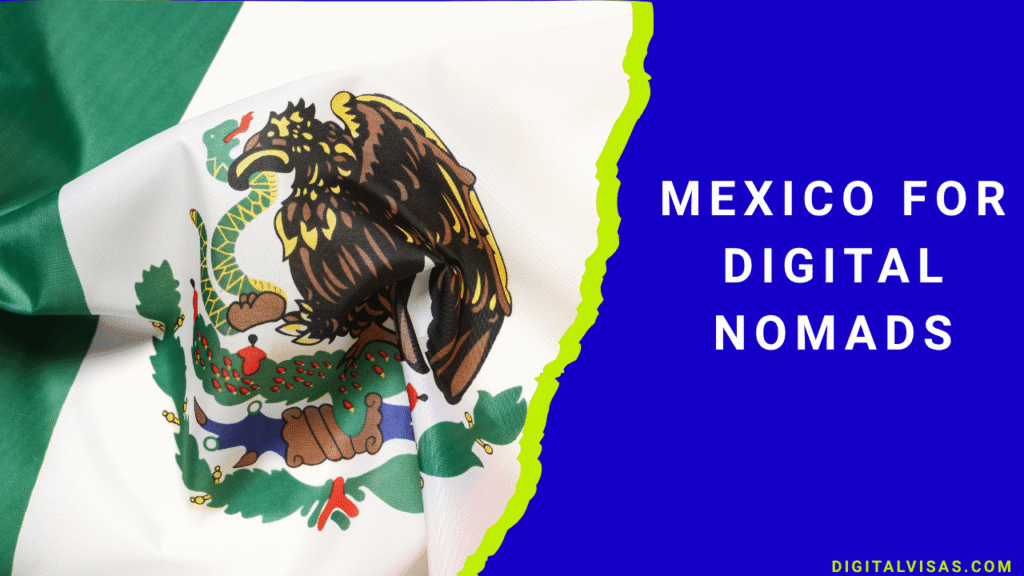
Why Mexico is Popular Among Digital Nomads
Mexico’s appeal to the global remote work community is built on a genuine foundation, not just travel blog hype. First, geography: Mexico shares a time zone with the United States and Canada, making async work and real-time collaboration with North American clients almost frictionless. Second, affordability: a comfortable life in Mexico costs 60–75% less than an equivalent lifestyle in a major US or European city, allowing nomads to save aggressively or live at a significantly higher standard than their income would allow back home.
Third, infrastructure: Mexico has invested heavily in fiber broadband and mobile data networks over the past decade, and major nomad hubs now have genuinely fast, reliable internet. Fourth, cultural richness: few countries offer the density of history, cuisine, natural landscapes, and local color that Mexico does. Add an established and welcoming international nomad community, straightforward entry for most nationalities, a warm climate in most regions year-round, and direct flights from dozens of global hubs, and Mexico’s popularity among the location-independent workforce becomes entirely unsurprising.
Best Places in Mexico for Digital Nomads
Mexico is a vast and extraordinarily diverse country, and the right base for you depends on what you prioritize: urban energy and professional networking, beachside relaxation, cultural immersion, affordability, or nightlife. The five locations below represent the most established and practical options for digital nomads in 2026, each with distinct character and trade-offs. Most experienced Mexico nomads recommend starting in one of the bigger hubs, Mexico City or Guadalajara, to get your bearings, then exploring coastal towns once you have a reliable workflow established. That said, many nomads arrive in Playa del Carmen or Tulum and never want to leave. Here is what you need to know about each destination before you book your flight.
Mexico City
Mexico City, known locally as CDMX, is a megalopolis of over 21 million people and one of the world’s great cities. For digital nomads, it is the gold standard of Mexican bases: world-class restaurants, museums, galleries, and nightlife; a deep, growing tech and startup ecosystem; and a coworking infrastructure that rivals that of any major European city. The trendy neighborhoods of Roma Norte, Condesa, and Polanco are home to dozens of specialty coffee shops with fast WiFi, excellent coworking spaces, and a dense international community. Average internet speeds in these areas run 50–150 Mbps via fiber. Monthly costs for a comfortable nomad lifestyle, one-bedroom apartment, eating out regularly, and coworking run $1,200–$2,000. Altitude (2,240m above sea level) catches many new arrivals off-guard, so give yourself a week to acclimatize. Safety requires neighborhood awareness, but Roma, Condesa, and Polanco are among the safest urban neighborhoods in Latin America.
Playa del Carmen
Playa del Carmen, on the Yucatán Peninsula’s Caribbean coast, is Mexico’s most established beach destination for long-term nomads. The famous pedestrian street, Quinta Avenida (5th Avenue), is lined with cafés offering solid WiFi, and the town has a high concentration of coworking spaces for its size. Internet infrastructure has improved, and fiber connections of 50–100 Mbps are available in most modern apartments. Monthly living costs are moderate: a furnished one-bedroom apartment near the beach runs $700–$1,200, and the food scene covers everything from $2 tacos at street stalls to excellent seafood restaurants. The town is small enough to navigate on foot or by bicycle, and the beach is never more than a 10-minute walk. Playa sits between the bustle of Cancún (45 minutes north) and the jungle chic of Tulum (60 minutes south), giving nomads easy access to both. Safety is generally good in the tourist zones, though basic street awareness is always advised.
Tulum
Tulum has transformed over the past decade from a backpacker secret to one of the most Instagrammed destinations on earth, and its nomad community has grown accordingly. The town divides into two zones: Tulum Pueblo (the town center, more affordable and local) and Tulum Beach (the iconic jungle-meets-Caribbean strip, significantly more expensive). For digital nomads, the Pueblo zone offers the best balance of cost, community, and practicality, with good WiFi in cafés and coworking spaces, reasonable rents ($600–$1,100/month for a studio or one-bedroom), and a walkable, bike-friendly layout. Internet reliability has historically been Tulum’s weak point, but fiber availability has improved substantially in the Pueblo zone through 2024–2025. Always verify the internet speed before committing to an accommodation. Tulum attracts a particularly wellness-oriented, creative nomad crowd that expects lots of yoga, raw-food cafés, cenote swimming, and a thriving community of designers, writers, and content creators.
Puerto Vallarta
Puerto Vallarta on Mexico’s Pacific coast is one of the country’s most liveable cities and an increasingly popular nomad base that often flies under the radar compared to the Riviera Maya destinations. The city has a genuine local character, colonial architecture, a vibrant Malecón boardwalk, excellent traditional Mexican food, and a large, welcoming expat community established for decades. Internet infrastructure is solid, with fiber broadband available in most residential neighborhoods running at 50–100 Mbps. Monthly costs are competitive: a comfortable one-bedroom apartment in the Romantic Zone or Versailles neighborhood runs $700–$1,100, and the city’s dining scene covers every price point. The climate is warm year-round (hot and humid in summer, perfect October–May). Coworking spaces are growing in number, with several solid options near the city center. Puerto Vallarta is widely regarded as one of the safest cities in Mexico, making it particularly attractive to nomads seeking comfort and security alongside beach living.
Guadalajara
Guadalajara, Mexico’s second-largest city, is rapidly earning its reputation as the country’s tech capital, sometimes called “the Silicon Valley of Mexico.” It is home to a large concentration of technology companies, startups, and software engineers, making it ideal for tech-sector nomads seeking professional networking and a genuine innovation ecosystem. Internet infrastructure is excellent: fiber connections of 100–300 Mbps are widely available, and the city has a well-developed coworking scene. The cost of living is lower than in Mexico City; a comfortable one-bedroom apartment costs $500–$900/month, and local food is remarkably affordable. The city’s cultural offerings are impressive: it is the birthplace of mariachi music and tequila, home to beautiful colonial architecture, and has a thriving restaurant and arts scene. Safety is generally good in the main residential and commercial neighborhoods, though, as with any large Mexican city, local awareness matters. Guadalajara is an underrated gem for serious nomads who want productivity, culture, and value.
Internet & Coworking in Mexico
Internet connectivity is one of the most common concerns for nomads in Mexico, and the picture is more positive than its reputation suggests, provided you stick to established nomad areas. Mexico has invested significantly in broadband infrastructure over the past five years, and the major cities and tourist corridors now have genuinely reliable, fast connections available both in residential properties and at cafés and coworking spaces.
Telmex (the dominant fixed-line provider) and Megacable offer fiber-to-the-home packages in most urban areas, and competition from newer providers has improved both speeds and reliability. Mobile data coverage is strong throughout the main nomad destinations: Telcel and AT&T Mexico offer solid 4G LTE nationwide, with 5G increasingly available in major cities. A good practice is to always have a local SIM with a data package as a backup to your primary fixed connection. Telcel’s unlimited plans cost around $15–$25/month and provide excellent coverage even in coastal areas and smaller towns.
Internet Speed & Availability
In Mexico City’s Roma, Condesa, and Polanco neighborhoods, fiber connections of 100–300 Mbps are standard in modern apartments. Playa del Carmen and Puerto Vallarta typically offer 50–150 Mbps via fiber, adequate for video calls, large file uploads, and cloud-based work. Guadalajara’s tech district sees some of the fastest residential speeds in the country.
200–500 Mbps is achievable in well-connected buildings. Tulum remains the most variable: The Pueblo zone has improved significantly (30–80 Mbps common), but the beach zone properties can still struggle. Always test speeds using Speedtest.net before signing any rental agreement. Cafés in all major nomad areas typically offer reliable 20–50 Mbps WiFi sufficient for a productive workday, though heavy video conferencing is better handled from a coworking space or your apartment.
Best Coworking Spaces
Mexico’s coworking scene is mature and growing. In Mexico City, Selina (multiple locations), WeWork (Reforma and Polanco), and local operators like Homework and ComunaLab offer everything from hot desks to private offices. Monthly memberships run $100–$250 for a hot desk, $200–$450 for a dedicated desk. In Playa del Carmen, Nest Coworking and Selina are popular options at $100–$180/month.
Tulum has Coworking Tulum and several café-coworking hybrids at $80–$150/month. Guadalajara’s tech scene supports a rich coworking ecosystem, including Warehouse and Tec Hub. Puerto Vallarta has seen significant growth in coworking, with options such as Vallarta CoWork and The Hub. Day passes typically cost $10–$20 across the board, making it easy to trial a space before committing to a monthly membership.
Cost of Living in Mexico
One of Mexico’s most compelling selling points for digital nomads is its dramatic cost advantage over Western countries, particularly for those earning in USD, GBP, or EUR. A high standard of living, a comfortable apartment, frequent dining out, an active social life, and occasional travel are achievable at a fraction of the cost in comparable cities in North America or Europe. However, Mexico is not uniformly cheap: tourist-heavy beach destinations like Tulum Beach and parts of Playa del Carmen have been subject to significant price inflation, particularly for accommodation, driven by the post-pandemic surge in nomad and lifestyle tourism.
Mexico City and Guadalajara remain exceptionally good value for large cosmopolitan cities. As a general rule, the more “discovered” and Instagram-famous a location, the higher the prices for accommodation, western-style food, and services. The table below provides a snapshot of monthly costs by spending level.
| Category | Budget ($) | Mid-Range ($) | Comfortable ($) |
| Accommodation | 350–550 | 600–1,000 | 1,100–2,000 |
| Food & Dining | 100–180 | 200–350 | 400–700 |
| Transport | 30–60 | 70–130 | 150–300 |
| Internet / Coworking | 15–50 | 80–180 | 200–350 |
| Lifestyle / Entertainment | 50–100 | 150–300 | 350–600 |
| Miscellaneous | 50–80 | 100–150 | 150–250 |
| Monthly Total | $595–$1,020 | $1,200–$2,110 | $2,350–$4,200 |
Monthly Budget (Single Person)
A single digital nomad can live comfortably in Mexico’s major nomad hubs for $1,200–$1,800 per month at a mid-range level. This covers a furnished one-bedroom apartment with reliable internet in a safe neighborhood, a daily diet mixing local tacos and street food with regular restaurant meals, Uber and public transport, a coworking space membership or café work sessions, and a modest entertainment budget covering museum visits, day trips, and occasional nights out.
In Guadalajara or less-touristy parts of Mexico City, the same lifestyle can comfortably come in under $1,200. In Tulum Beach or central Playa del Carmen, budget $1,600–$2,200 to maintain the same level of comfort. Working with $800–$1,000/month is possible in most cities but requires eating almost exclusively at local spots and choosing budget accommodation.
Accommodation Costs
Furnished apartment rentals for digital nomads are widely available across Mexico and typically listed on Airbnb (for short stays), Spotahome, and local Facebook groups for monthly direct rentals. In Mexico City’s Roma Norte or Condesa, a furnished studio runs $600–$900/month, a one-bedroom apartment $800–$1,400. Guadalajara offers noticeably better value: studios from $400–$650, one-bedrooms $550–$900. Playa del Carmen one-bedrooms range from $700–$1,200, depending on proximity to the beach and the building’s modernity. Tulum Pueblo one-bedrooms typically run $650–$1,100. Puerto Vallarta sits in the $600–$1,000 range for a one-bedroom in the Romantic Zone. Negotiating directly with landlords via local Facebook groups (“Airbnb Alternative Mexico City,” for example) consistently produces 20–40% lower rates than platform prices for month-long stays.
Food & Transport Costs
Mexican street food and market dining is among the best value on the planet. A full taco meal from a street stand costs $2–$4. A comida corrida (set lunch menu) at a neighborhood restaurant typically includes soup, rice, main course, and a drink and runs $4–$7. A coffee at a specialty café is $2.50–$4. Groceries from local mercados are inexpensive: a week of fresh vegetables, eggs, beans, and protein costs $20–$35. Eating at mid-range restaurants two to three times a week adds $60–$100/month. Transport within cities is excellent value: Mexico City’s metro costs $0.30 per ride; Uber rides within city neighborhoods run $2–$6. In beach towns, walking, cycling, and $2–$4 colectivo rides (shared minivans) cover most daily needs. Monthly transport costs of $40–$80 are realistic for most nomads using public transport and occasional rideshares.
Is Mexico Safe for Digital Nomads?
Safety is inevitably the first question many nomads, particularly those from the US, UK, or India, raise about Mexico, and it deserves an honest, nuanced answer. Mexico has genuine security challenges: drug cartel activity, high homicide rates in certain states, and elevated petty crime in tourist areas are real concerns that should not be dismissed. However, Mexico’s safety landscape is highly geographically diverse. The vast majority of violent crime is concentrated in specific states and border regions, Sinaloa, Guerrero, Tamaulipas, and Colima, which have little to no digital nomad presence. The cities and regions where nomads actually live, Mexico City’s Roma/Condesa, Playa del Carmen, Tulum Pueblo, Puerto Vallarta, and Guadalajara’s Providencia district, have safety profiles that are broadly comparable to those of major cities in Southern Europe or Latin American capitals like Bogotá or Medellín. Thousands of digital nomads live in these areas without incident. The key is location-specific awareness, not blanket avoidance of the entire country.
Safe Areas vs Risky Areas
The safest Mexican states for nomads in 2026 include Yucatán (Mérida is consistently ranked Mexico’s safest city), Jalisco (Guadalajara’s main districts), Quintana Roo (Playa del Carmen, Tulum, Cancún tourist zones), and Nayarit (Sayulita, San Pancho). Mexico City’s Roma, Condesa, Polanco, and Coyoacán neighborhoods have low violent crime rates, though petty theft and bag snatching occur in crowded areas. Avoid: Culiacán (Sinaloa), Acapulco (Guerrero), border towns like Tijuana and Ciudad Juárez for extended stays, and any area under active travel advisories from your home country’s foreign affairs office. The US State Department’s Mexico travel advisory (updated regularly at travel.state.gov) provides state-by-state breakdowns; check it before any trip.
Safety Tips for Nomads
Practical safety measures go a long way in Mexico. Use Uber or InDriver rather than hailing street taxis. App-based rides are trackable and significantly safer. Do not display expensive electronics, cameras, or jewelry on the street. Use ATMs inside bank branches during daylight hours rather than street-side machines. Keep a secondary phone or a cheap local SIM and avoid using your primary phone in crowded street markets. Use a cross-body bag with a hidden zip for essentials. Avoid walking alone at night in unfamiliar areas, particularly in Mexico City neighborhoods outside the main expat zones. Get comprehensive travel insurance that includes theft, medical emergencies, and emergency evacuation providers like SafetyWing, World Nomads, and Genki are popular in the nomad community. Share your live location with a trusted contact when going somewhere new, especially in less-familiar cities.
Visa Options for Digital Nomads in Mexico
Mexico’s visa situation is straightforward and genuinely favorable for most nationalities. Citizens of the United States, Canada, the United Kingdom, the European Union, Australia, India, and most other countries can enter Mexico visa-free for up to 180 days as tourists. Upon arrival, immigration officials stamp your passport and issue a Forma Migratoria Múltiple (FMM), a physical card that has historically been issued and is now increasingly digital, indicating your permitted stay, often 180 days. There is no official digital nomad visa in Mexico as of 2026, but the tourist entry visa effectively serves as one for stays of up to 6 months. For longer stays or for those seeking legal residency, Mexico offers a Temporary Resident Visa (Residente Temporal), which requires an application at a Mexican consulate in your home country. Applicants must demonstrate sufficient income, typically around $2,600/month (though requirements vary by consulate), and the visa is renewable annually for up to four years, after which permanent residency becomes available. Many long-term nomads do visa runs to neighboring Guatemala, Belize, or the US to reset their 180-day tourist entry. Consult an immigration lawyer or updated official sources before making residency decisions, as requirements can shift.
Pros and Cons of Living in Mexico
Mexico is not the right fit for every digital nomad, and an honest assessment of both its strengths and genuine challenges helps you decide before committing to a move. The country rewards nomads who are adaptable, culturally curious, Spanish-language learners (even basic Spanish makes daily life dramatically easier), and comfortable with a degree of calculated risk awareness. It may frustrate nomads who expect the bureaucratic efficiency of Northern Europe, the safety certainty of Japan, or the uniformly fast internet of South Korea. That said, for most nomads weighing affordability, lifestyle richness, North American timezone alignment, and cultural depth against manageable safety trade-offs, Mexico consistently comes out as one of the top five global nomad destinations — and many who visit for three months end up staying for years.
Pros
- Exceptional value for money — a high-quality lifestyle costs 60–70% less than equivalent US or European cities
- North American timezone compatibility — perfect for working with US and Canadian clients and teams
- Extraordinary food culture — from $2 street tacos to world-class fine dining, Mexico’s cuisine is one of the world’s greatest
- Large, welcoming international nomad community — especially in Mexico City, Playa, and Tulum
- Excellent direct flight connections to North America, Europe, and Latin America
- Cultural richness — ancient ruins, colonial cities, diverse landscapes from desert to jungle to Caribbean coast
- 180-day visa-free access for most nationalities with straightforward tourist entry
- Improving internet infrastructure in all major nomad hubs
- Warm climate year-round in most regions
Cons
- Security concerns in specific regions and states require ongoing awareness — not all of Mexico is equally safe
- Tourist-area accommodation inflation — Tulum Beach and central Playa del Carmen are no longer budget destinations
- Bureaucracy and admin — banking, healthcare, and government processes can be slow and require Spanish-language navigation
- No official digital nomad visa — the 180-day tourist entry is practical but lacks formal legal work status
- Internet in some coastal areas (particularly Tulum Beach) can still be unreliable — verification before renting is essential
- Traffic in Mexico City can be severe — commute times in the wrong neighborhood undermine productivity
- Language barrier — basic Spanish is essential for daily life outside expat bubbles; English alone limits your experience significantly
- Healthcare quality varies — excellent private hospitals in major cities, limited options in smaller towns
Tips for Living in Mexico as a Digital Nomad
Learn at least basic Spanish before you arrive, even 30 days of Duolingo or a structured course makes a transformative difference to your daily quality of life, your safety awareness, and your ability to negotiate rents, navigate bureaucracy, and build genuine local connections. Join local nomad Facebook groups and WhatsApp communities before arriving — these are gold mines for apartment leads, safety updates, coworking recommendations, and social events. Open a Charles Schwab, Wise, or Revolut account before departing to access favorable exchange rates and fee-free ATM withdrawals. Use Banamex or Santander ATMs in major cities for the most reliable international card compatibility.
Book your first month’s accommodation through Airbnb for flexibility, then use that month to negotiate a direct monthly lease to save 25–40% off the platform rate. Get private health insurance before arriving. International plans from SafetyWing (budget) or Cigna/AXA (comprehensive) are worth every peso.
Register with the nearest consulate or embassy of your home country if you are staying for more than 90 days. Finally, give yourself a full month to find your rhythm. Mexico’s pace and culture require adjustment, and nomads who rush this process tend to leave frustrated, while those who commit tend to fall deeply in love with the country.
FAQs
Is Mexico good for digital nomads?
Yes, Mexico ranks consistently among the top ten global digital nomad destinations for good reason. It offers an outstanding combination of affordable living, cultural richness, alignment with the North American time zone, improved internet infrastructure, and a large, established nomad community across multiple cities and beach towns. The lifestyle available at $1,200–$1,800/month in cities like Mexico City, Guadalajara, or Playa del Carmen rivals what $4,000–$6,000 would buy in equivalent North American or European cities. For nomads earning in strong currencies, Mexico offers exceptional purchasing power and a high quality of life.
Is the internet reliable in Mexico?
Internet reliability in Mexico varies significantly by location. In Mexico City, Guadalajara, and Puerto Vallarta, fiber broadband is widely available in modern apartments and consistently delivers 50–300 Mbps. Playa del Carmen has improved substantially and offers solid connections in most areas. Tulum remains the most variable; the Pueblo zone is acceptable, and the beach zone can be unreliable. Mobile data via Telcel 4G LTE provides strong backup coverage across all nomadic areas at a low cost ($15–$25/month for unlimited plans). Always verify internet speeds with Speedtest.net before signing any rental agreement. Having both fixed fiber and a mobile data plan is best practice in Mexico.
How much does it cost to live in Mexico?
Monthly living costs for a digital nomad in Mexico range from about $800 at the budget end to $2,500 for a comfortable mid-range lifestyle with a private apartment, coworking membership, regular dining out, and an active social life. The average comfortable nomad in Mexico City or Guadalajara spends $1,200–$1,800 per month. Tulum and Playa del Carmen tend to charge $200–$400 more per month for equivalent accommodation due to the beach premium and tourist-area inflation. Couples sharing accommodation benefit from economies of scale, typically spending 60–70% more than a single person rather than double. Earning in USD, GBP, or EUR makes Mexico genuinely exceptional value.
Is Mexico safe for remote workers?
Mexico’s safety depends heavily on location. The specific neighborhoods and cities popular with digital nomads, Mexico City’s Roma and Condesa, Guadalajara’s Providencia, Playa del Carmen’s tourist zone, Tulum Pueblo, and Puerto Vallarta, are considerably safer than Mexico’s headline crime statistics suggest. Thousands of nomads live in these areas without experiencing serious incidents.
Basic precautions, such as using Uber rather than street taxis, avoiding ostentatious displays of valuables, staying in well-reviewed accommodation, learning basic Spanish, and checking state-level travel advisories from your government, dramatically reduce risk. Avoid states with active travel advisories: Sinaloa, Guerrero, Tamaulipas, and Colima.
Do I need a visa to stay in Mexico?
Most nationalities, including US, UK, EU, Canadian, Australian, and Indian passport holders, can enter Mexico visa-free for up to 180 days as tourists. There is no specific digital nomad visa in Mexico as of 2026. Working remotely for foreign clients while on a tourist visa is a common practice among nomads, though it exists in a legal grey area.
For stays beyond 180 days, a Temporary Resident Visa applied for at a Mexican consulate in your home country is the proper route. This requires proof of sufficient income (typically $2,600+/month), is renewable annually, and leads to permanent residency after four years. Consult an immigration attorney for current requirements, as figures can change.
Conclusion
Mexico is one of the most genuinely compelling digital nomad destinations in the world, not because it is perfect, but because the combination of what it gets right is so difficult to find elsewhere. Extraordinary culture, outstanding food, North American time zone compatibility, dramatically affordable cost of living, improving infrastructure, and a warm, diverse, and welcoming environment across mountains, jungles, colonial cities, and Caribbean coastlines. Mexico delivers all of this at a price point that makes long-term, high-quality nomad life genuinely accessible.
The security landscape requires awareness and smart choices, not avoidance. For nomads willing to learn basic Spanish, choose their base wisely, and approach Mexican life with curiosity and adaptability, Mexico frequently becomes not just a destination but a long-term home. Start in Mexico City or Guadalajara, explore the coast, and let the country reveal itself on its own terms. You may never want to leave.